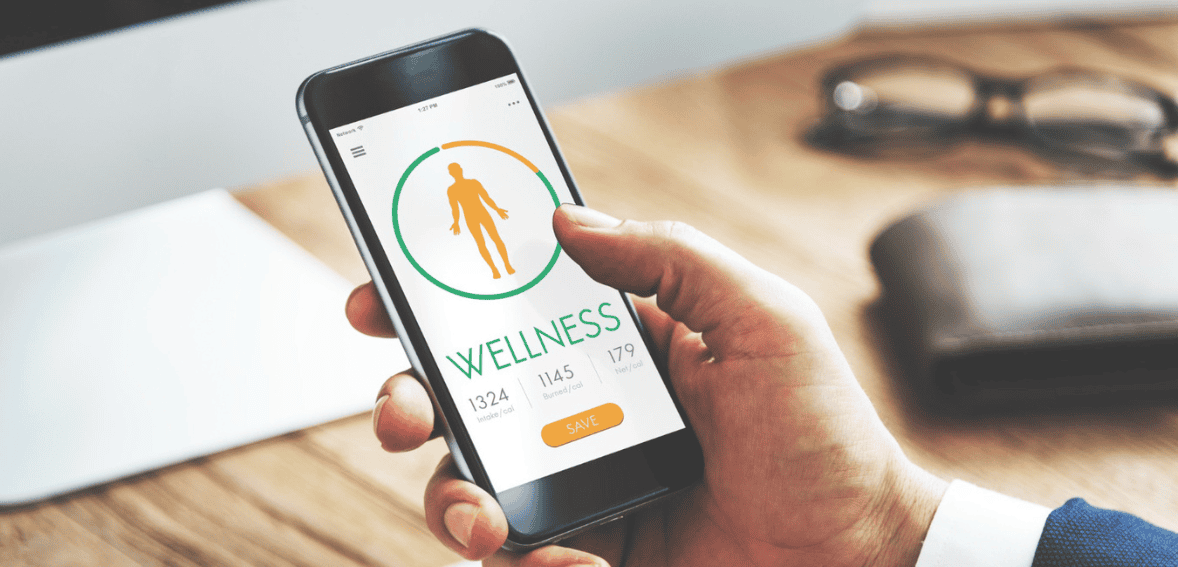
Mobile Healthcare Apps: Why Mobile Access Matters in Modern Practice Management Software
Digitization has affected healthcare by altering the way that medical facilities carry out scheduling, records maintenance, billing, communicating, and administration. Although desktop systems have continued to prove relevant in managing these aspects of practice, the healthcare provider no longer requires sitting at a particular station all day long. The doctor moves around from one consultation room to another, nurses work in various departments, the administrator coordinates schedules, and the practice manager oversees many responsibilities. In such a busy environment, being able to access vital information anytime and anywhere has turned out to be an important factor.
That is the reason why mobile capability has been recognized as an important attribute for contemporary practice management systems. Instead of coming back to the computer later on, authorized health practitioners can use mobile devices to easily schedule appointments, review schedules, communicate, and even manage the practice. Good mobile healthcare software applications together with efficient remote clinic management, good practice management mobile capability, good healthcare software applications, and improved medical office mobility enable the healthcare providers to streamline their operations.
The Changing Nature of Healthcare Work
Healthcare practitioners are not typically deskbound throughout their workdays. Doctors go from one consultation room to another, from one hospital to another and from one clinic to another. Nurses have to coordinate care for patients in different departments, while administration staff takes care of appointments, billing, and insurance issues.
As healthcare becomes increasingly mobile, information should become equally mobile too. All of these people have to have access to the schedule, information about the patients and communications at any point of the practice. The new way of working has led to the widespread use of the practice of managing mobile access by authorized users who are not tied to their desks all the time.
Why Mobile Access Has Become Essential
Modern professionals expect to access important information whenever and wherever it is needed. Healthcare is no exception. Delays caused by limited system access can affect scheduling, communication, administrative efficiency, and ultimately the patient experience.
Mobile access enables healthcare professionals to respond more quickly to changing situations. Appointment updates, schedule adjustments, staff notifications, and operational alerts become available immediately rather than waiting until someone reaches a fixed workstation.
Reliable mobile healthcare apps therefore contribute to more responsive practice management while supporting smoother coordination between different members of the healthcare team.
Understanding Practice Management Mobile Access
Access to practice management on mobile devices is the process of accessing the practice management system using a smartphone or tablet by authorised personnel. In some cases, this kind of access will depend on the type of software that is being used. It can consist of the following components such as appointments, calendars, bills, patient communication, reporting, task management, and other administrative features.
It should be emphasised that access through mobiles cannot necessarily substitute desktop systems but rather enhance them in order to allow performing certain actions when away from the main computer.
Supporting Busy Healthcare Professionals
Healthcare professionals have busy schedules with few gaps between their appointments. The need to go back to their desktops time and again just to verify their schedules or make any changes may disrupt the process.
Mobile solutions enable them to do all this from wherever they are and keep their focus on patient care. Effective health care software applications make this task easy by providing user-friendly interfaces that are specially designed for this industry instead of just mimicking desktop solutions on mobiles.
Improving Appointment Management
Appointment scheduling is an essential component in practice management of healthcare services. There are occasions of cancellations at the last minute, emergencies, late consultations, and provider availability that demand quick changes to the schedules.
Access through mobile technology enables administrative professionals and authorised medical professionals to check the schedules and make necessary adjustments without going back to their fixed offices. Therefore, mobile access in practice management facilitates efficient appointment management.
Better Communication Between Team Members
Effective communication is vital for the efficient delivery of healthcare services. The administrative personnel, clinicians, nurses, and practice managers are constantly exchanging information concerning scheduling and other related matters.
With the mobile communication capabilities incorporated in the practice management software application, the staff can always stay up to date with all the information during the entire day. The availability of reliable mobile healthcare apps improves cooperation and decreases reliance on paper documentation, telephone communications, and frequent interruptions.
Supporting Remote Clinic Management
Healthcare organizations nowadays function in several sites, outreach programs, satellite clinics, or community health centers. Management of such organizations requires increased flexibility that cannot be achieved by office applications only.
Proper remote clinic management ensures that authorized managers will be able to control the functioning of their organization in various locations through secure mobile devices. Managers will have an opportunity to observe appointments, personnel information, performance records, and activity of their clinics without visiting each of them in person.
Enhancing Administrative Efficiency
Healthcare administration involves numerous responsibilities beyond direct patient care. Staff coordinate billing, insurance verification, scheduling, document management, patient communication, reporting, and regulatory compliance throughout each working day.
Mobile access allows many of these tasks to continue without interruption when staff move throughout the practice. Simple administrative activities no longer require returning repeatedly to desktop workstations.
Modern healthcare software apps help streamline these workflows while reducing unnecessary delays that can affect overall operational efficiency.
Medical Office Mobility Improves Workflow
The physical layout of many healthcare practices naturally involves movement between consultation rooms, reception areas, treatment spaces, laboratories, and administrative offices. Mobile technology supports these workflows by allowing staff to remain connected while moving throughout the facility.
Greater medical office mobility reduces time spent travelling between workstations simply to retrieve information or complete administrative tasks. Staff remain focused on patient care while maintaining access to essential operational tools.
This mobility becomes increasingly valuable as healthcare organisations seek ways to improve productivity without increasing administrative burden.
Supporting Practice Managers
Practice managers oversee numerous operational responsibilities, including staffing, financial performance, scheduling, compliance, resource allocation, and patient service. Mobile access enables managers to monitor these activities more efficiently throughout the day.
Performance dashboards, appointment summaries, operational alerts, and reporting tools become accessible through secure mobile interfaces, allowing timely responses to emerging situations.
Reliable remote clinic management also supports leaders responsible for supervising multiple practice locations by providing centralised operational visibility regardless of physical location.

Improving Responsiveness
Healthcare environments change quickly. Appointment cancellations, staff absences, urgent patient needs, equipment issues, or scheduling adjustments often require immediate attention.
Mobile technology supports faster responses because authorised users receive updates instantly. Rather than waiting until they return to their desks, staff can make informed decisions using current operational information.
Effective practice management mobile access therefore contributes to greater organisational agility while improving service delivery.
Supporting Secure Access
Healthcare information requires strong protection regardless of whether users access systems through desktop computers or mobile devices. Modern practice management software incorporates multiple security features to safeguard sensitive information.
Authentication measures, encrypted communication, user permissions, secure login procedures, and remote device management all contribute to protecting healthcare data while enabling appropriate mobile access.
Professional healthcare software apps balance convenience with strong security to ensure patient confidentiality remains protected at all times.
Better Patient Communication
Patients increasingly expect timely communication regarding appointments, reminders, follow-up instructions, and administrative enquiries. Mobile access enables staff to respond more efficiently throughout the day rather than waiting until specific administrative periods.
Appointment confirmations, schedule updates, patient notifications, and internal coordination become easier when authorised staff remain connected through secure mobile platforms.
Modern mobile healthcare apps therefore contribute not only to internal efficiency but also to improved patient communication and satisfaction.
Supporting Healthcare Organisations with Multiple Locations
Healthcare providers increasingly operate across several clinics, specialist centres, outreach programmes, or satellite facilities. Coordinating these services requires consistent information sharing and operational oversight.
Effective remote clinic management allows leadership teams to review activity across multiple sites while supporting consistent scheduling, staffing, reporting, and administrative standards throughout the organisation.
Mobile access helps bridge geographical separation while maintaining coordinated practice management across expanding healthcare networks.
Reducing Administrative Delays
Administrative delays often occur because information remains available only at fixed workstations. Staff may postpone updates until later, resulting in slower communication and reduced operational visibility.
Mobile technology minimises these delays by allowing authorised users to complete simple administrative tasks immediately. Schedule updates, task completion, internal notes, and workflow coordination occur closer to real time.
Greater medical office mobility therefore contributes to smoother operational processes while reducing unnecessary interruptions throughout the working day.
Supporting Future Healthcare Delivery
Healthcare continues evolving through telehealth, remote monitoring, digital patient engagement, and integrated care delivery. Practice management software must remain flexible enough to support these changing service models.
Mobile access complements these developments by enabling healthcare professionals to remain connected across increasingly diverse care environments. Future innovations will likely further integrate mobile functionality with broader healthcare technologies.
Continued development of healthcare software apps will help practices adapt to changing patient expectations while supporting more flexible healthcare delivery.

Choosing the Right Mobile Solution
Not every mobile application provides the same capabilities. Healthcare organisations should evaluate software based on usability, security, compatibility, integration, reporting features, offline capabilities, technical support, and scalability.
The most effective solutions prioritise the tasks users perform most frequently rather than attempting to replicate every desktop function. Simple, intuitive interfaces often improve adoption while reducing training requirements.
Selecting appropriate practice management mobile access ensures mobile technology supports rather than complicates daily healthcare operations.
Balancing Mobility with Clinical Focus
Although mobile access offers significant operational advantages, technology should always support rather than distract from patient care. Healthcare professionals should use mobile tools thoughtfully while maintaining meaningful patient interactions.
Well-designed applications minimise unnecessary complexity, allowing users to complete administrative tasks quickly before returning their full attention to clinical responsibilities.
Strong medical office mobility therefore complements professional healthcare delivery by improving efficiency without reducing the quality of patient care.
Conclusion
Modern healthcare requires flexibility, responsiveness, and efficient coordination across increasingly complex clinical and administrative environments. Mobile access has become an essential extension of practice management software by allowing authorised professionals to remain connected wherever their responsibilities take them. From appointment scheduling and staff communication to operational oversight and practice management, mobile technology supports more efficient workflows throughout the healthcare organisation.
Reliable mobile healthcare apps, combined with effective remote clinic management, comprehensive practice management mobile access, secure healthcare software apps, and greater medical office mobility, help practices improve productivity while maintaining high standards of patient care and operational performance. As healthcare continues embracing digital transformation, mobile access will remain an increasingly valuable feature that supports both healthcare professionals and the patients they serve.