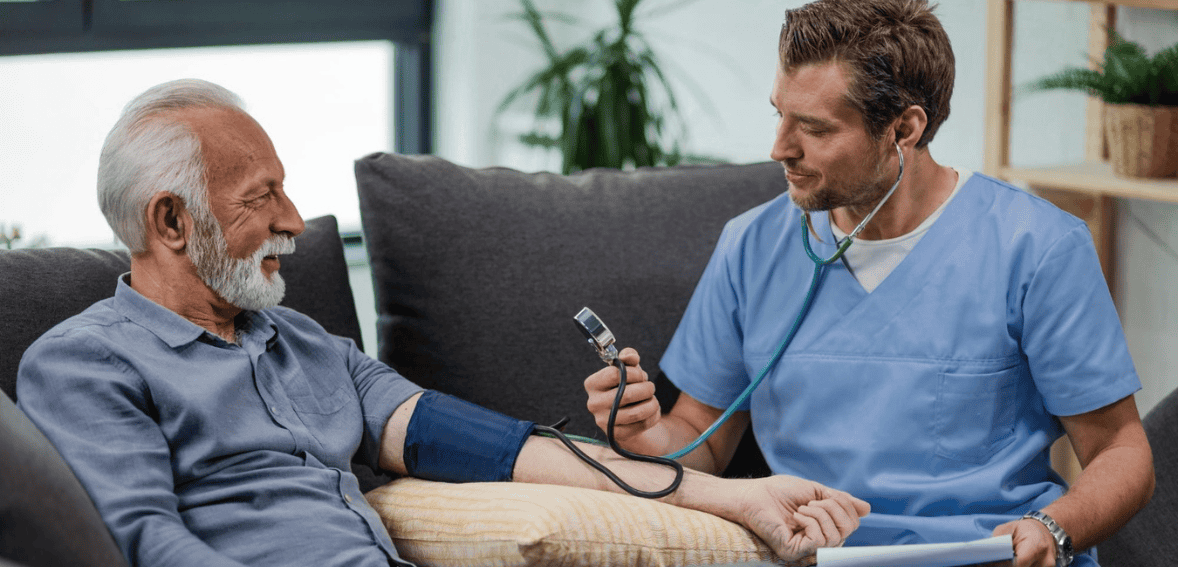
Implementing Remote Patient Monitoring in Chronic Care Management
Chronic conditions such as diabetes, heart disease, and respiratory disorders require continuous attention and long-term care. Traditional healthcare models often rely on periodic visits to clinics or hospitals, which may not provide enough insight into a patient’s daily health patterns. This gap can lead to delayed interventions and less effective treatment outcomes.
The rise of remote patient monitoring is transforming how chronic care is delivered. By using connected technologies, healthcare providers can track patient health in real time and make informed decisions without requiring frequent in-person visits. Tools such as wearable health devices and digital health tracking systems allow patients to stay engaged with their care while enabling providers to deliver timely support. This shift is redefining chronic disease management technology and making healthcare more proactive, accessible, and patient-centered.
Understanding Remote Patient Monitoring in Chronic Care
Remote patient monitoring involves collecting and analyzing patient health data outside traditional clinical settings. This data is transmitted to healthcare providers through connected devices, allowing them to monitor conditions continuously.
In the context of chronic care, remote patient monitoring provides valuable insights into how patients manage their conditions on a daily basis. It helps identify trends, detect early warning signs, and guide treatment decisions.
By integrating telemonitoring solutions into care plans, providers can maintain regular contact with patients without requiring frequent visits. This approach improves efficiency and ensures that patients receive consistent support.
As part of chronic disease management technology, remote monitoring enhances the ability to deliver personalized and effective care.
The Role of Wearable Health Devices in Patient Monitoring
Wearable health devices are a key component of remote monitoring systems. These devices can track vital signs such as heart rate, blood pressure, activity levels, and sleep patterns.
Patients can use these devices throughout the day, providing continuous data that reflects their real-world health conditions. This information is essential for understanding how lifestyle factors impact chronic conditions.
Wearables also empower patients to take an active role in their health. By providing immediate feedback, they encourage better habits and improved adherence to treatment plans.
When combined with digital health tracking, wearable devices create a comprehensive view of patient health. This integration supports more accurate and effective remote patient monitoring.
Benefits of Digital Health Tracking for Chronic Conditions
Digital health tracking allows patients and providers to monitor health data in a structured and accessible way. This includes tracking metrics such as glucose levels, blood pressure, and medication adherence.
For patients with chronic conditions, this level of tracking provides greater awareness and control. It helps them understand how their actions affect their health and make informed decisions.
Healthcare providers benefit from access to detailed data, which supports better diagnosis and treatment planning. By analyzing trends, they can adjust care strategies to improve outcomes.
As part of chronic disease management technology, digital tracking enhances communication between patients and providers. It ensures that care is continuous and responsive to changing needs.
Telemonitoring Solutions for Continuous Care
Telemonitoring solutions enable healthcare providers to receive and analyze patient data remotely. These systems connect devices, software platforms, and communication tools to create a seamless monitoring environment.
Through telemonitoring, providers can review patient data regularly and identify potential issues early. This allows for timely interventions that can prevent complications and reduce hospital visits.
Patients benefit from increased accessibility and convenience. They can receive care and guidance without the need to travel, making it easier to manage their conditions.
By integrating remote patient monitoring with telemonitoring solutions, healthcare systems can deliver more efficient and effective care.
Improving Patient Engagement and Adherence
One of the key advantages of remote monitoring is its ability to improve patient engagement. When patients have access to their health data, they become more involved in their care.
Wearable health devices and digital health tracking tools provide real-time feedback, encouraging patients to follow treatment plans and make healthier choices. This increased engagement leads to better adherence and improved outcomes.
Healthcare providers can also use data to provide personalized feedback and support. This strengthens the relationship between patients and providers and builds trust.
By fostering engagement, remote patient monitoring helps create a more collaborative approach to chronic care.
Enhancing Early Detection and Preventive Care
Early detection is critical in managing chronic conditions. Identifying changes in health patterns before they become serious allows for timely intervention.
Remote patient monitoring systems provide continuous data, making it easier to detect subtle changes. This proactive approach reduces the risk of complications and improves overall health outcomes.
Preventive care becomes more effective when supported by chronic disease management technology. Providers can use data to identify risk factors and recommend preventive measures.
This shift toward proactive care not only improves patient health but also reduces the burden on healthcare systems.
Integrating Remote Monitoring With Healthcare Systems
Successful implementation of remote monitoring requires integration with existing healthcare systems. This includes electronic health records, communication platforms, and clinical workflows.
Integration ensures that data from wearable health devices and digital health tracking tools is accessible and usable. It allows providers to incorporate this information into their decision-making processes.
For healthcare organizations, integration supports efficiency and consistency. It ensures that all aspects of care are aligned and that patients receive comprehensive support.
By integrating telemonitoring solutions into healthcare systems, providers can deliver more coordinated and effective care.
Addressing Challenges in Remote Patient Monitoring
While remote monitoring offers many benefits, it also presents challenges. These include data security, technology adoption, and ensuring patient compliance.
Protecting patient data is essential. Systems must be designed to ensure privacy and security while maintaining accessibility for authorized users.
Adoption can also be a challenge, particularly for patients who are not familiar with technology. Providing training and support can help overcome this barrier.
Ensuring consistent use of devices is another important factor. Encouraging patients to engage with remote patient monitoring tools is key to achieving successful outcomes.
The Role of Healthcare Providers in Implementation
Healthcare providers play a crucial role in implementing remote monitoring systems. They must understand how to use the technology and interpret the data effectively.
Training and education are essential for ensuring that providers can integrate chronic disease management technology into their practice. This includes understanding how to analyze data and communicate with patients.
Providers also need to guide patients in using wearable health devices and telemonitoring solutions. Clear instructions and ongoing support can improve adoption and engagement.
By taking an active role in implementation, providers can ensure that remote monitoring systems are used effectively.
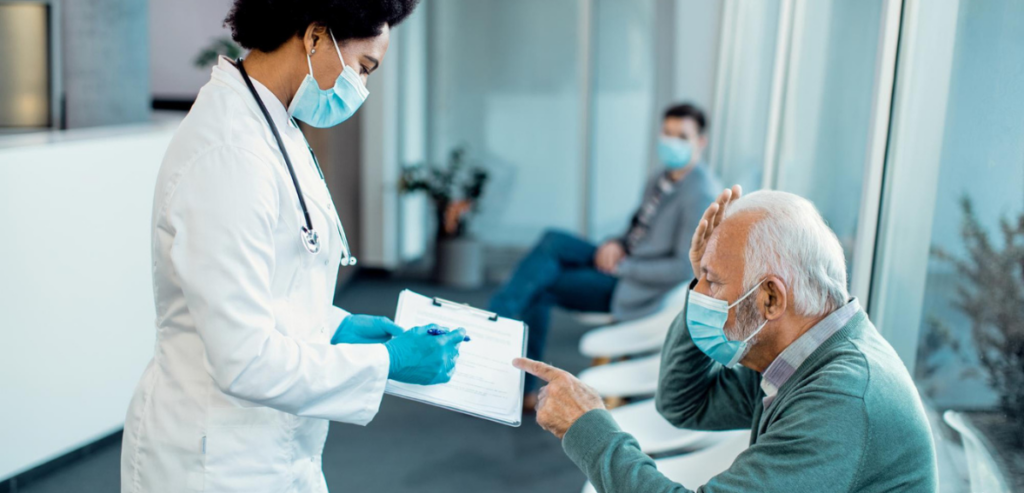
Measuring Success in Remote Patient Monitoring Programs
Evaluating the effectiveness of remote monitoring programs is essential for continuous improvement. Success can be measured through patient outcomes, engagement levels, and overall efficiency.
Data from digital health tracking systems provides valuable insights into program performance. This information can be used to refine strategies and improve care delivery.
Patient feedback is also important. Understanding their experience helps identify areas for improvement and ensures that systems meet their needs.
By focusing on measurable outcomes, healthcare providers can optimize remote patient monitoring programs and achieve better results.
The Future of Chronic Care With Remote Monitoring
The future of chronic care is increasingly digital and connected. Advances in technology will continue to enhance the capabilities of remote patient monitoring systems.
Innovations such as AI and advanced analytics will provide deeper insights into patient health. These tools will support more accurate and personalized care.
The use of wearable health devices and telemonitoring solutions will expand, making remote care more accessible and effective. This will further improve patient outcomes and reduce the need for hospital visits.
As chronic disease management technology evolves, it will play a central role in shaping the future of healthcare.
Personalizing Care Plans Using Remote Monitoring Data
One of the strongest advantages of remote patient monitoring is the ability to personalize the treatment plan based on the real-time data. Rather than relying on the occasional checkup, the health care providers can use the real-time data to personalize the treatment based on the condition and lifestyle of the patients.
Using the data collected from the wearable health devices and digital health tracking tools, the health care providers can get a detailed view of the health patterns. This includes the changes in the vital signs, activity levels, and the response to the medication. This helps in the adjustment of the treatment plans more accurately and quickly.
This is a great advancement in chronic disease management technology, as it makes the technology more responsive and personalized. This is because the patients receive the kind of care that is designed based on their needs, which improves the outcome and satisfaction.
Personalized care is also a great way to engage the patients, as the patients see the direct impact of the data on the treatment and the health care.
Supporting Care Coordination Among Healthcare Teams
Chronic care services involve many different professionals, such as doctors, nurses, and specialists. It is important to ensure coordination between these teams to ensure consistency and comprehensiveness in care services. Telemonitoring solutions can significantly contribute to this coordination process.
The sharing of information from the remote patient monitoring process can ensure coordination between the teams. All the teams can be aware of the same information, which can help avoid confusion and ensure coordination between the teams. This can improve the quality of care and ensure consistency in care services.
Coordinated care, as part of the technology for managing chronic diseases, can help improve the quality of care and the patient experience. It can ensure a well-organized and seamless experience for the patients.
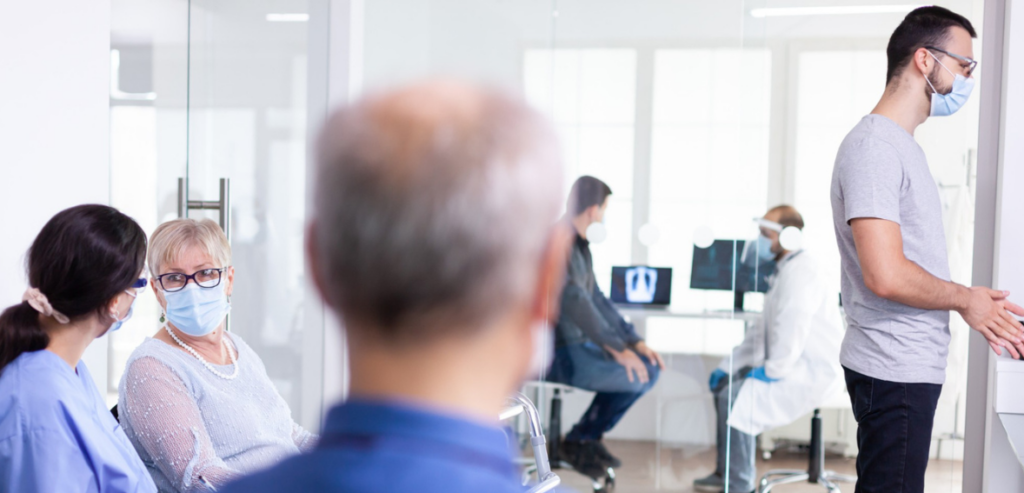
Educating Patients to Use Monitoring Tools Effectively
For remote monitoring systems to be successful, it is imperative for patients to understand how to effectively utilize technology. The role of education is significant in enabling patients to effectively utilize technology.
Healthcare services need to provide patients with information on how to effectively utilize wearable health devices and technology. This involves enabling patients to understand how to measure their health, as well as how to effectively utilize digital health tracking technology.
It is also important for healthcare services to provide support to patients. This is significant as patients are likely to have challenges with remote monitoring technology. By providing support, healthcare services can ensure that patients are able to effectively utilize remote monitoring technology.
Educating patients on remote monitoring technology is significant. This is because it enables patients to effectively utilize technology. By effectively utilizing technology, patients can provide accurate information.
Expanding Access to Care in Remote and Underserved Areas
One of the greatest advantages of remote patient monitoring is its ability to provide improved access to healthcare services. For instance, there are many people who live in rural areas where there are limited medical facilities. There are also people who live far away from medical facilities. The remote monitoring system can provide a solution for these people.
For example, through telemonitoring solutions, a patient can receive medical attention without visiting a medical facility frequently. This can provide improved access to healthcare services.
Digital health tracking tools can provide continuous monitoring services. This ensures that a patient receives medical attention at any time and from any place. This is important in managing chronic diseases.
By improving access to healthcare services, chronic disease management technology can provide an inclusive healthcare system. This ensures that a patient can receive improved medical services irrespective of their location.
Conclusion: Transforming Chronic Care Through Technology
Remote patient monitoring is transforming the way chronic conditions are managed. By leveraging remote patient monitoring, wearable health devices, and digital health tracking, healthcare providers can deliver more effective and personalized care. The integration of telemonitoring solutions and advanced chronic disease management technology enables continuous monitoring and timely interventions. This approach improves patient engagement, enhances outcomes, and reduces healthcare costs. As technology continues to advance, the potential for remote monitoring will only grow. By embracing these innovations, healthcare systems can create a more efficient, accessible, and patient-centered approach to chronic care.